Non-Destructive Testing, Imaging & Surveys
.the dorsia tool-kit
When a claim or dispute needs clarity on cause, extent, and whether damage is active or historic, we use a practical set of non-invasive tools to capture defensible evidence
Quickly, safely, and with minimal disruption.
This page outlines what we use on site, and what it helps us confirm for Insurers, Loss Adjusters, Builders, and Property Owners.
-
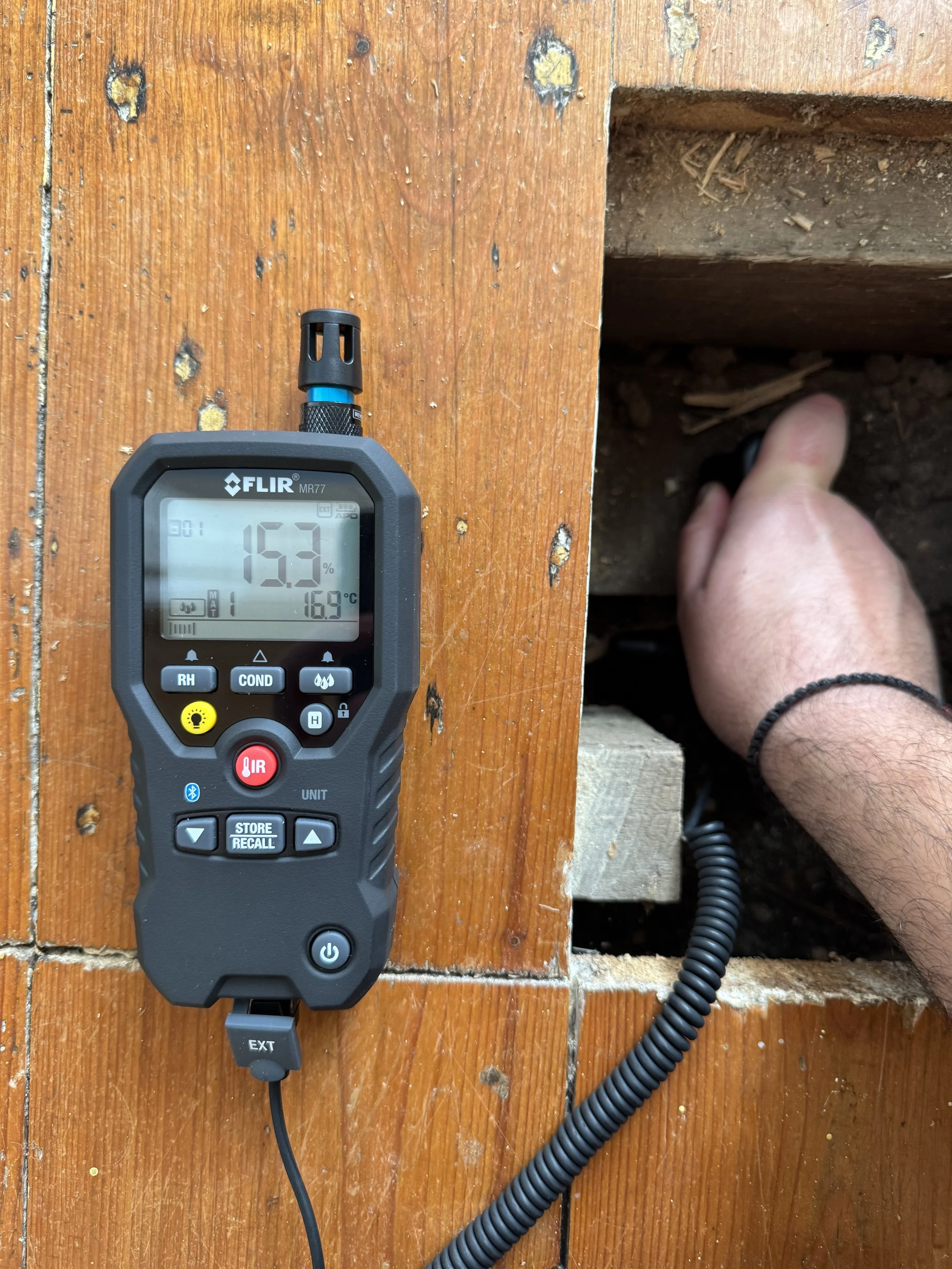
We use FLIR moisture meters to identify presence, spread, and severity of moisture-affected materials, and to support opinions on likely mechanisms (where evidence allows).
Best for:
Plumbing leaks / escape of liquid
Roof, window, and wall ingress
Bathroom / shower waterproofing concerns
Condensation and ventilation-related issues
What it gives you:
Moisture mapping with clear locations
Photos and annotated evidence
Practical notes on what areas appear active vs. drying vs. historic
-
Thermal imaging helps visualise patterns consistent with moisture, airflow, or insulation irregularities, particularly in ceilings and wall zones where staining is unclear or intermittent. We use FLIR cameras.
Best for:
Leak tracing (roof and ceiling areas)
Wall/window ingress patterns
Bathroom moisture migration indicators
Identifying cold spots consistent with condensation risk
Note: Thermography is an indicative tool and is typically paired with moisture testing for confirmation.
-
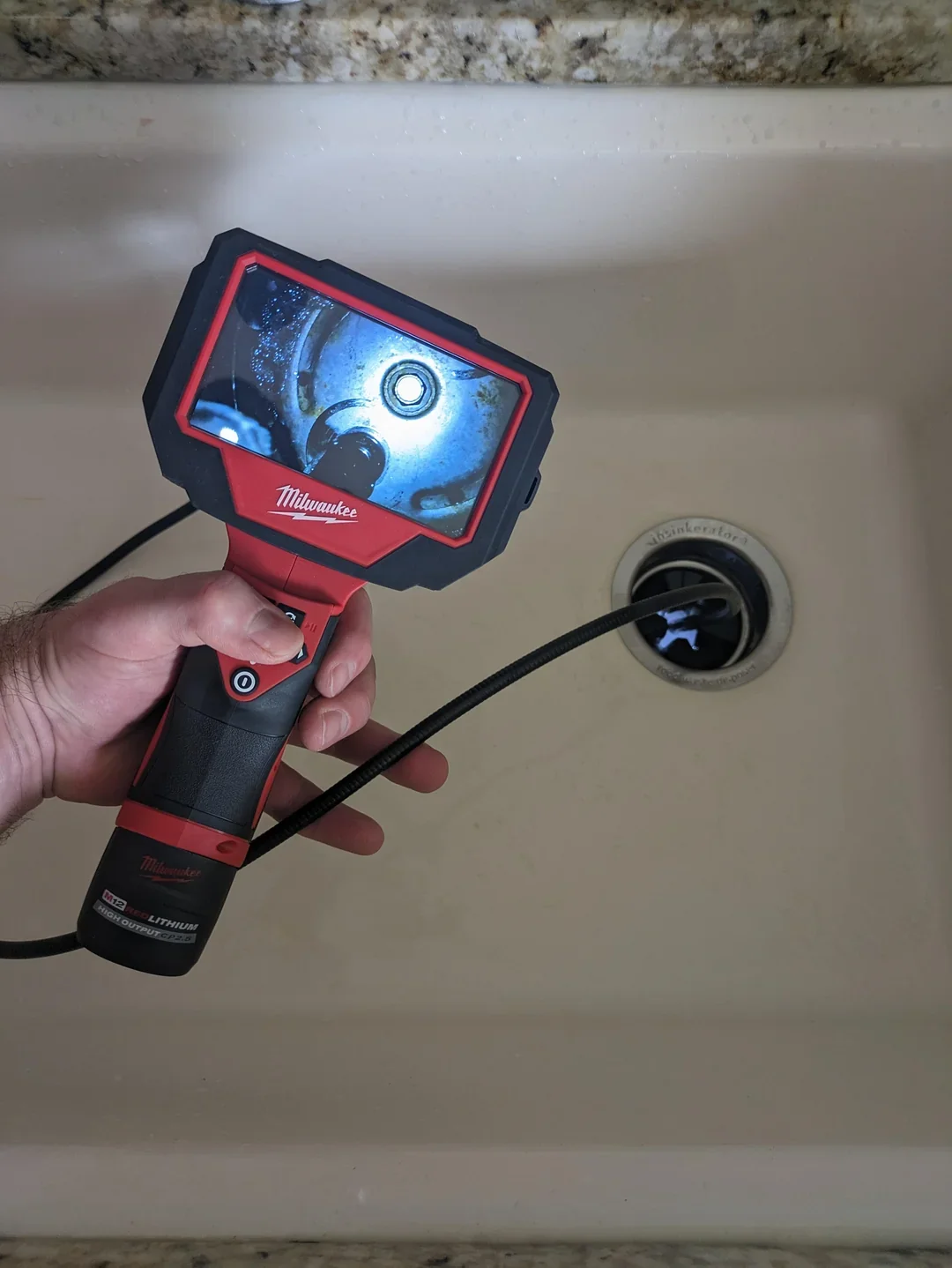
Where access allows, we use Milwaukee, high-definition inspection cameras/borescopes to verify conditions behind linings with minimal disruption. This can help determine whether targeted opening-up is warranted.
Best for:
Hollow steel columns
Subfloors without adequate access
Suspected concealed leakage pathways
Verifying cavity conditions adjacent wet areas
Localised staining where the source is uncertain
-
Before any drilling, cutting, or targeted access, we use the Bosch wall scanner D-tect 200 C Professional to help identify likely concealed services and embedded items.
In addition, this tool can be used to indicatively locate reinforcement within concrete, including:
whether reinforcement is likely present,
the approximate depth of cover, and
the approximate bar spacing/pattern.
This provides a quick, practical verification method to support early decision-making and reduces reliance on more disruptive, full concrete testing where a fast indicative check is suitable.
Best for:
Reducing risk before any intrusive verification works
Locating likely services/embedded elements (e.g., wiring, pipework)
Indicatively identifying reinforcement presence, depth and spacing in concrete
Improving accuracy when documenting likely concealed conditions
-
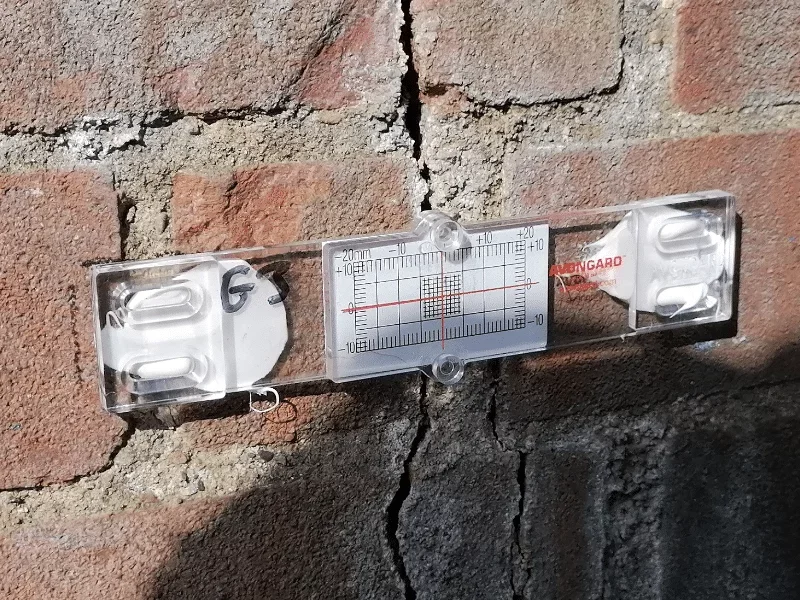
We measure and document cracking to help determine whether movement appears progressive or stable, and whether patterns align with a sudden event or longer-term behaviour.
Best for:
Impact and storm-related cracking
Movement concerns and dispute contexts
Baseline documentation for future comparison
Options include:
Baseline crack measurements and photographic scaling
Crack gauge installation (where appropriate)
Follow-up re-inspection and comparative commentary (if instructed)
-
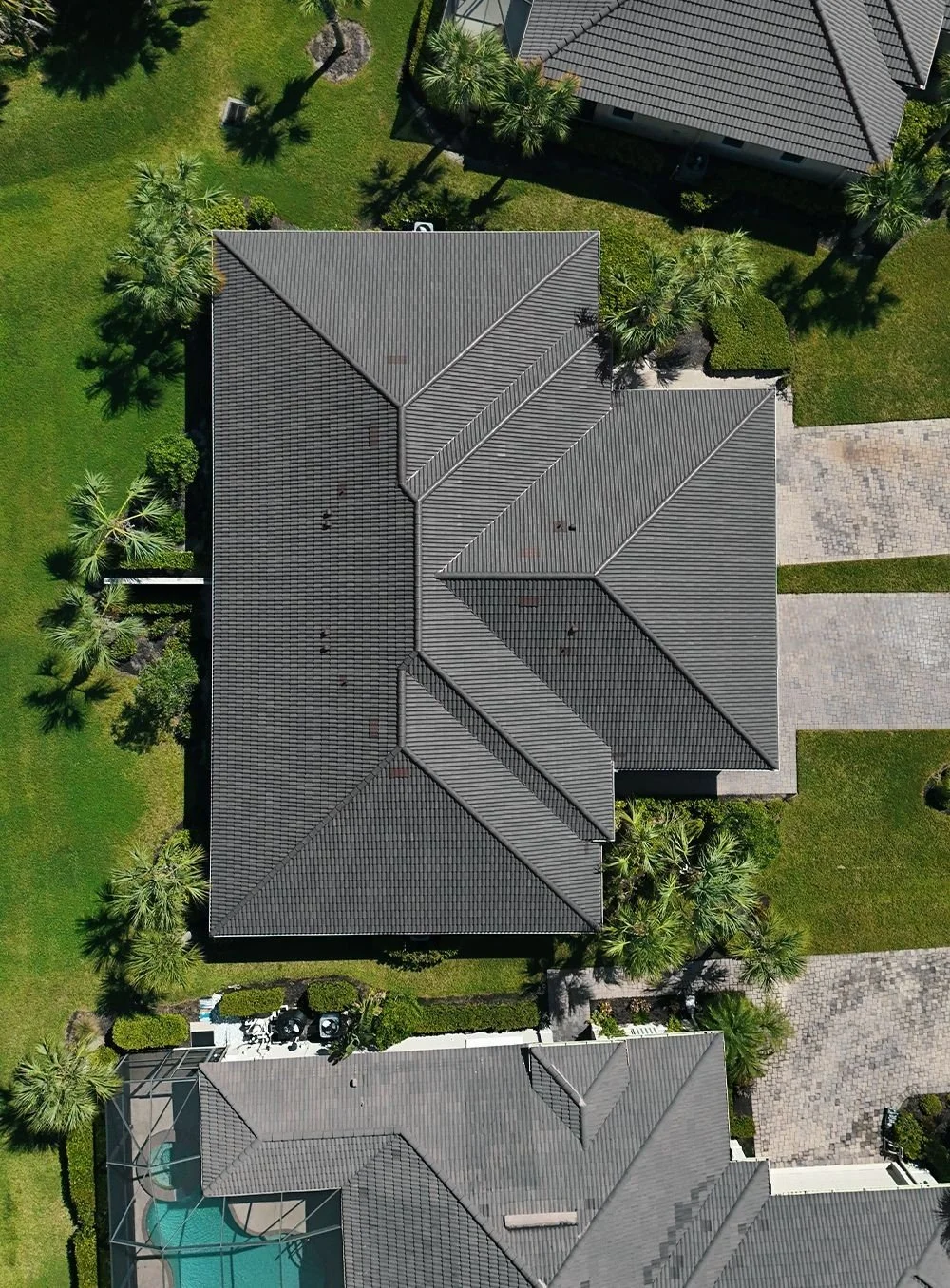
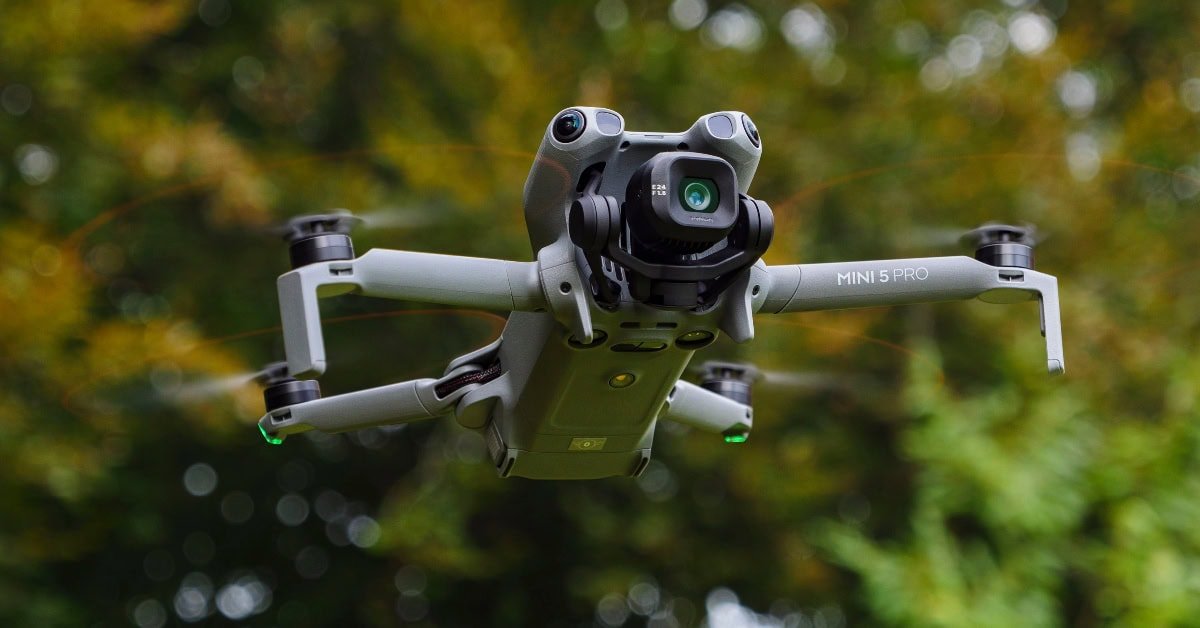
We use DJI drones to capture high-quality aerial imagery and video of roofs, drainage layouts, storm impact zones, and hard-to-access elevations, particularly where safe access is limited.
Best for:
Roof condition observations
Storm event evidence capture
Pre and post-works documentation
-
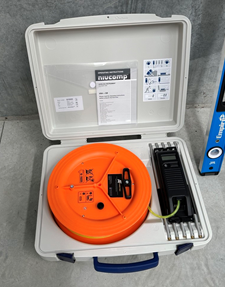
We use NIVCOMP digital floor level survey equipment to measure and present floor level variation in a clear, professionally drafted drawing, useful for movement-related matters.
Best for:
Escape of liquid events
Baseline movement documentation
Supporting assessment of floor level variation patterns
Comparing future surveys where monitoring is required
.what this toolkit helps answer
Is the issue active or historic?
Is the damage localised or widespread?
Does it appear consistent with the reported event?
Is there a safety risk or immediate make-safe requirement?
What’s the most sensible next step (monitoring, targeted access, repairs, or further investigation)?